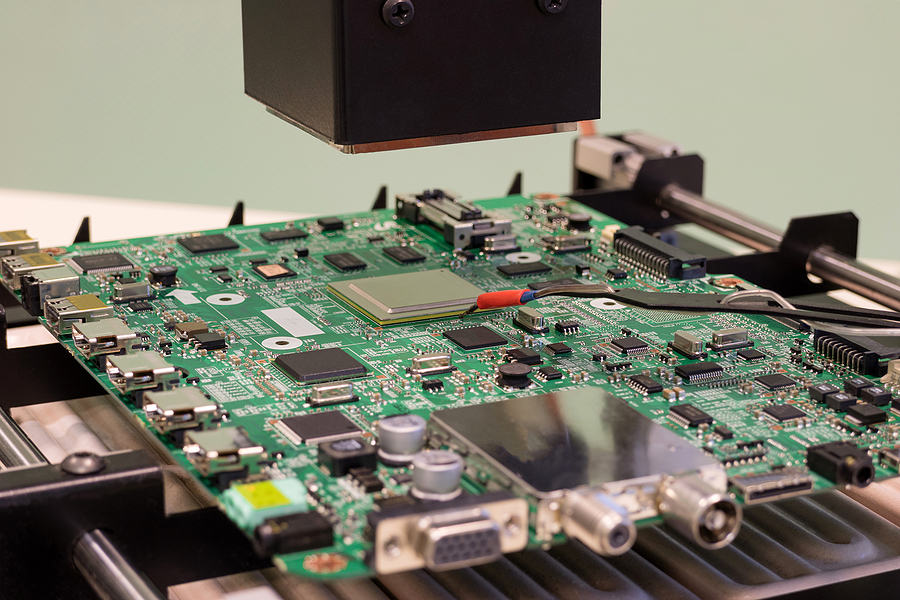
Looking at the future of IT asset disposition, there is a lot to consider about what matters and how the process will change to reflect it. For example, the demand for efficient recycling, sustainable manufacturing, and electronics processing is a focus for many industries right now, and we can expect that to soon be reflected in the ITAD process as well. Automated disassembly systems are emerging as a replacement for the traditional disassembly approach we currently have. Traditionally, these disassembly methods often rely heavily on manual labor, which can be quite time-consuming and inconsistent. Let’s discuss automated disassembly systems and how they may be the newest emerging component of ITAD.
What Are Automated Disassembly Systems?
When we talk about automated disassembly systems, you might be unfamiliar with what that actually means. Essentially, these systems will use robotics and artificial intelligence to disassemble the devices. This system will be designed to identify components, separate materials, and even isolate the valuable parts from the rest of the device. Currently, some industries are already adopting this technology before it becomes a standard practice. We see automated disassembly in electronics recycling, appliance recycling, industrial equipment processing, and even automotive manufacturing. This process could be the next big thing for ITAD as the industry looks to improve efficiency and rely on new technology to optimize its processes.
All About Traditional Disassembly Methods
As we previously mentioned, the current traditional method for disassembly relies on manual labor. Ultimately, although this method has been used for decades, there are many issues with the way disassembly is traditionally done. Here is a look at what inefficiencies come with traditional disassembly methods:
Uses Manual Labor
Industries across the globe are looking to optimize their processes by eliminating manual labor wherever possible. This is true for disassembly as well, as the industry seeks to avoid training workers and minimize the time required to perform these tasks. With manual labor, there’s a lot to consider, such as wages to pay workers, training time, inconsistencies in the work, and issues with time off for that worker.
Safety Risks
Disassembly isn’t the safest process for workers, as it involves sharp materials, hazardous components, and repetitive tasks that may lead to injury if not done properly. Disassembling devices is a tedious process that can be done safely without manual labor by a worker.
Scaling Issues
From a business perspective, it’s difficult to scale using a traditional disassembly method because manual processing is slow, expensive, and not ideal for long-term growth. Having a more robust process would be ideal for success and scaling operations.
What Technology is Used in Automated Disassembly?
Technology is the main reason that automated disassembly is even an option for businesses. There is a variety of technologies used in the automated disassembly process that make it work.
Robotics
The main component of this technology is robotics, which also includes precision tools. Robotics is already used across manufacturing and other industries, making it ideal for this process as well. Robotic arms can unscrew, cut, and separate components from a device with precision and without wasting much time.
Artificial Intelligence
As in many other areas, artificial intelligence is a key component of automated disassembly, just as it is for many other automated processes. AI systems can scan and recognize product types compatible with robotics to decide what to cut, save, separate, and disassemble from the device. Artificial intelligence is ultimately the brain of this automated disassembly process.
Sensors
Sensors are used in a variety of industries, including the ITAD process and automated disassembly, where they play a crucial role in identifying different materials. The sensors will scan devices and materials to determine which materials can be reused and which ones should be recycled.
Why Automated Disassembly is Beneficial
Automated disassembly can streamline processes in ways we’ve never been able to achieve with ITAD. Let’s explore some of the benefits that would come with automated disassembly:
Saving Time
One of the main benefits of automated disassembly, or automation in general, is the time-saving capabilities it offers. Because traditional methods rely on manual labor, an automated system will cut the time it takes to disassemble in half, at least. With this processing speed, organizations can process a large number of devices, increasing what they’re able to do in the same amount of time. This supports scalability, resource management, and processing times.
Improved Material Recovery
Disassembling devices is done to recover materials that can be recycled or reused, and automation makes this more efficient. Because of the precise separation of this method, metals, plastics, and valuable components of these devices are more easily recovered.
Cost Efficiency
From a business standpoint, the cost efficiency of automated disassembly is enough to implement it into your ITAD process. Ultimately, the reduced labor requirements and higher recovery rates improve cost efficiency immensely for the facility.
The Future of Automated Disassembly
Looking into the future, automated disassembly will be a major part of many industries as it becomes more mainstream in ITAD processes. We expect it to show up in industries like electronics recycling to combat e-waste and process more devices in less time. Because of the growing e-waste problem, finding ways to recycle devices easily is ideal for industries across the country. We may also see automated disassembly in smart recycling facilities, where artificial intelligence, robotics, and automated recovery are combined under one roof. This will help optimize processes at smart recycling facilities and support their goals. Additionally, it will support a circular economy, a main goal for industries and organizations in sustainability initiatives.
Preparing for Automated Disassembly Systems
As an organization, it’s important to familiarize yourself with automated disassembly systems and what that process might look like for you. Understanding the process and what it means will help you implement it in a way that benefits your industry and your needs. Looking into the future, we can expect automation to be prevalent in many operations, especially with the increasing use of AI. Look out for changes to automated disassembly systems and how they will affect your current ITAD process, and prepare your team for future changes in device disassembly.
