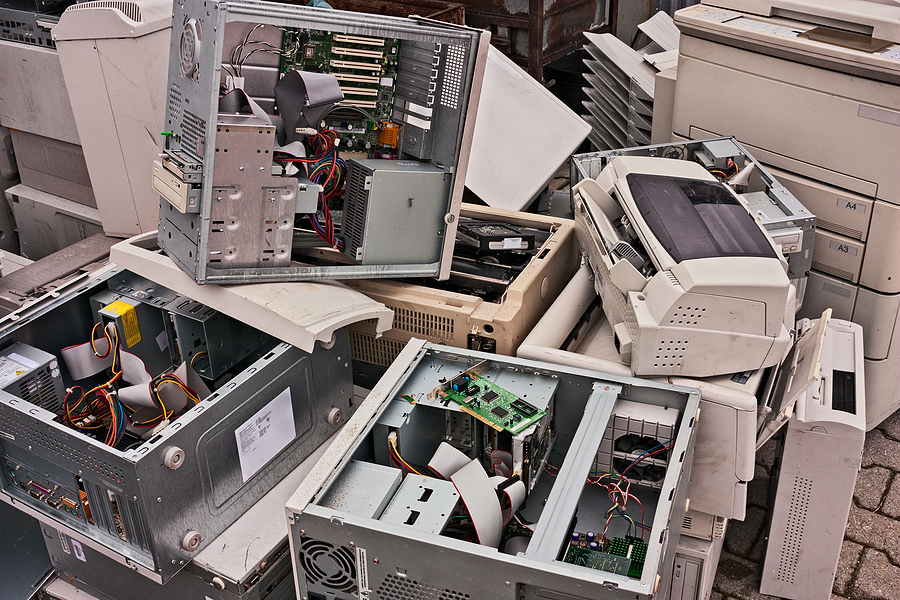
One of the industry’s biggest and longest-lasting problems is the plastics from electronics that go through the end-of-life process. When it comes to ITAD, the metals can be recovered, but the plastics are downcycled, exported, or even landfilled. Global e-waste is expected to exceed 72 million metric tons this year, with plastics the least recoverable material. This has been an ongoing issue that many have tried to solve over the years, especially as environmental factors and waste elimination have been top priorities for many. Canada’s largest technology lifecycle partner, Quantum Lifecycle Partners, has announced its newest project, which will be a huge step toward Canada’s ability to process plastics from electronics in the ITAD process. We’re going to explore more of what this looks like and what it could mean for the future of ITAD plastics recovery.
Why Plastics Are The Hardest e-Waste for ITAD to Handle
E-waste as a whole is something people and organizations in the industry have tried to combat for years now, and progress has been made. However, plastics from e-waste remain a difficult area in the ITAD process. Most electronics use a combination of metals and plastics to make up the physical components, and until now, there has been difficulty properly recovering those plastics. There are two major reasons why plastic recovery is so difficult during the ITAD process. Firstly, most of these devices are made from mixed plastics, which can make it difficult to recover and identify what materials you’re working with.
Additionally, brominated and organophosphate flame retardants are added to plastics to meet fire safety standards; however, this can be difficult to manage during the end-of-life cycle. The solution many have resorted to to dispose of this material without putting it directly into a landfill is downcycling it. This is where high-quality material is converted into lower-grade material for recycling. With this process, it loses most of the material’s benefits and value, and it’s often used for things like park benches or speed bumps. Although the plastics might be technically “recycled,” they aren’t going back into the electronics industry, meaning they’re not recycled in that aspect.
What Quantum Lifecycle Partners Actually Did
Now that we understand more about why this problem is so prevalent in the industry and what it means, we can discuss what Quantum Lifecycle Partners actually built and did to combat it. Essentially, they implemented a float-sink separation process at the end of their ITAD processing. Float-sink separation works by placing shredded plastics in a liquid medium of a specific density, allowing denser polymers to sink and lighter ones to float, making separation easier. Although this isn’t necessarily a new concept, since this is the process that happens for traditional plastics recycling, it’s been difficult to implement this process due to the contamination of metals and retardants in these plastics.
With that said, they’ve developed a process that makes this the last stage of ITAD, enabling them to remove the plastics and recycle them properly. Quantum has a whole sequence that allows this process to work for them. They utilize three main components to make this work: a magnet, an eddy current separator, and an optical sorting technology. The magnet will remove metals initially; eddy current technology will remove non-ferrous materials such as copper; and optical sorting technology will separate materials by material type and color, categorizing the remaining materials. This allows the plastics entering the float-sink container to be much cleaner than the e-waste would be without the sequencing steps beforehand.
Why Does This Investment Make Sense Now?
When we look at the impact of ITAD and the future of environmental regulations, the biggest driver for this being a good investment now is compliance with environmental regulations. The environmental pressures, particularly Ontario’s EPR framework and the Basel Convention’s standards, have been a driving factor in finding ways to comply with the regulations and make a bigger impact. Ontario currently has a competitive EPR system for electronics, and this dynamic creates an incentive for creating processes like this that make a difference.
Additionally, the EPR framework states that ITT producers are accountable and financially responsible for the entire process of recycling, refurbishing, reusing, and collecting products, thereby incentivizing the streamlining of the process as much as possible. The Basel Convention has also emphasized that domestic processing is preferred and that the trade in mixed or contaminated plastics has been heavily restricted. All of these factors have led organizations to find new ways to process plastics, especially in the ITAD process, where plastics are benignly wasted or downcycled.
What Does This Mean For ITAD?
For ITAD, this process means they can take high-quality plastics from end-of-life devices and recycle them so they can be reused in the supply chain. This addition will allow the facility to scale operations to meet demand as the EPR framework in Ontario continues to mature. This also shows that this type of process is feasible at the industrial scale and could raise the bar for what regulators and producers expect from ITAD vendors. This helps close the gap and support a circular economy for the electronics industry, which has been desired for years when it comes to e-waste plastics. Overall, this could change how ITAD processes for electronics are conducted across the industry, and we can see other organizations implementing similar processes to achieve the same goal.
Quantum’s Advanced Plastics Recovery System Can Change ITAD Forever
Recovering plastics from e-waste has been an issue for years, and the industry has tried to address it; we have finally made progress. This is proof that even the most difficult problems can be solved with the right investment, teamwork, and regulatory support. As EPR frameworks continue to expand across Canada and the United States, the demand for this will continue to grow. This is the kind of investment the industry needs, and it will be worth watching, as we can expect similar investments across this industry and other markets. They’ve set the stage for the future of ITAD and for what we can expect from the industry’s overall growth.
