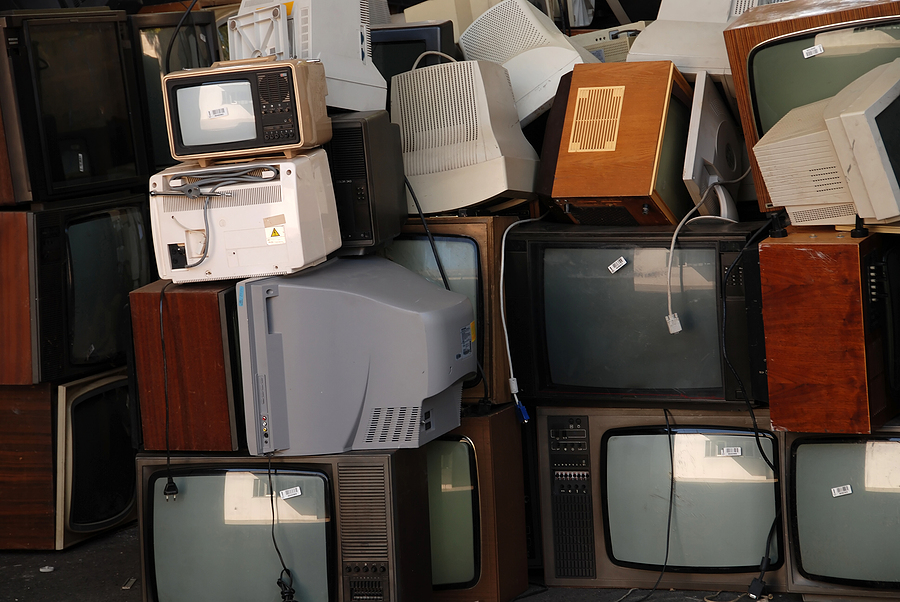
We have continued to see the growth of artificial intelligence within the technology industry, especially in implementing AI-driven software and processes. Industries and organizations are investing in AI-powered applications to keep up with demand, improve efficiency, and drive overall modernization. As organizations take unexpected turns and retire old devices to upgrade to artificial intelligence-integrated software and hardware, this will lead to an increase in the number of devices retired at one time. The ITAD industry is seeing an influx in demand across sectors while organizations transition and upgrade to new equipment. Let’s explore further why AI is shortening device lifecycles and what that means for increased ITAD volume.
How Artificial Intelligence Is Changing Requirements and Trends
Organizations are looking to adopt the latest technology, including artificial intelligence, to remain modern and efficient in their processes. ASI is a huge stepping stone for many businesses, maximizing efficiency and creating opportunities that may not otherwise be available. With this upgraded equipment comes the need for greater computing power and more robust software, leading to increased hardware requirements. With AI-driven devices, there is a need for faster processors, more GPUs, AI chips, and larger amounts of RAM. Older devices can’t adopt this technology with their current capabilities, making it essential for businesses to upgrade to more up-to-date hardware. So, although these companies are flooding ITAD vendors with devices, it’s not because they’re no longer functioning; it’s simply because business needs have changed and organizations are upgrading.
Why Are Enterprise Device Lifecycles Getting Shorter?
Corporations often retire devices every few years, creating a predictable timeline and lifecycle, but AI adoption has pushed for earlier hardware refreshes. With advancing technology and the significant changes it can bring to a business process, it becomes enticing to upgrade for improved productivity, security, and compatibility. The more technology advances, bringing a unique advantage to organizations that adopt it early, the shorter the device lifecycle we will see.
What Devices Are Being Retired Most For AI Advancement?
We are seeing a variety of devices being retired early to upgrade to more AI-compatible hardware. If you are an organization that wants to upgrade your hardware, here are a few categories where you can start:
- Employee laptops and workstations that have AI-compatible processors, increased RAM, and enhanced graphics capabilities
- Servers and data equipment with storage expansion and GPU-equipped hardware
- Networking equipment that has increased bandwidth demands, modern infrastructure, and improvements in cloud connectivity
- Edge devices like smart cameras, IoT gateways, and other AI IT devices
ITAD vendors are seeing an increase in the number of devices entering their rotation; they may even retire thousands of devices at the same time due to more frequent hardware refreshes. IT asset disposition providers will see an increased demand for all of their service offerings, including asset collection, secure transportation, refurbishment, and data destruction. For organizations to upgrade to AI-driven hardware, they need a scalable ITAD strategy to handle the influx of retired devices.
How You Can Manage an AI-Driven Hardware Refresh
Where should we start with transitioning your devices for AI upgrades? Here’s a checklist to help you organize your processes:
- Develop a long-term plan for artificial intelligence implementation
- Replace devices strategically
- Maintain asset tracking
- Document disposition activities for compliance and reporting
- Work with certified ITAD providers that are compliant and trustworthy
What Role Does ITAD Play in AI Adoption for Organizations
IT asset disposition vendors play a larger role in AI adoption than many organizations realize. Hardware upgrades are often needed when AI integration is considered, making them necessary frequently. Ultimately, this means that ITAD vendors will start seeing an increase in devices, leading to greater demand and a need to develop a process. Having a well-planned ITAD strategy will protect sensitive data, recover asset value, and reduce operational disruption. Additionally, it can support the organization’s compliance and sustainability goals. If an organization plans to adopt AI Integration and technology within its business, it must also consider a steady ITAD plan to handle retired devices resulting from upgrades.
Artificial Intelligence is Changing ITAD Demand
Artificial intelligence is a technology being integrated into everything we use, making it more enticing for organizations to adopt it in their operations. Although many think that AI integration can be done on any device, this isn’t the case. Many times, the organization will need to upgrade its hardware as well, which means finding a reliable retirement process for the old devices. All of this comes into play when we consider the importance of staying secure and avoiding breaches in technology-driven companies, especially as technology continues to advance. If you are an organization that uses devices and is looking for a reliable way to stay on top of upgrades, then partnering with an ITAD vendor you can trust is the first step toward creating a foolproof process.
