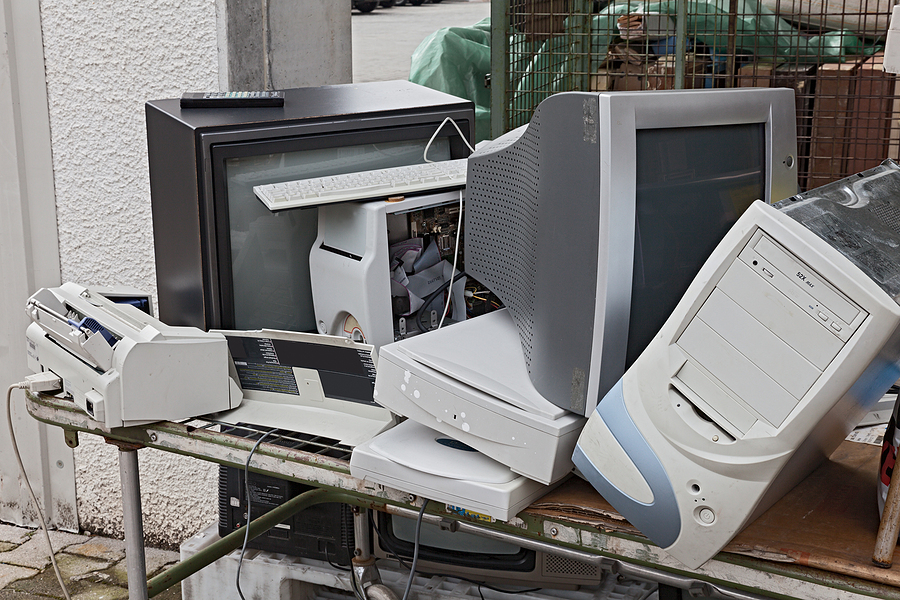
Many are familiar with the dangers of technology and the security issues that can accompany it, but the most dangerous moment in an asset’s life isn’t during use; it’s when the asset is no longer in use. Old technology and devices that are just sitting around not only take up valuable space but also pose a security threat if not disposed of properly. Businesses often understand that outdated technology can slow things down. Still, they don’t realize the potential side effects of failing to retire it properly, such as security breaches, fines, and environmental violations. We’re going to look more into what happens when businesses don’t retire old technology properly and how this can negatively affect the business.
The Exposure to Security Risks
Security risks are among the most important, if not the most important, considerations when it comes to asset disposal. Assets fall into two distinct categories: End-of-Life and End-of-Support. The vendor is no longer making devices labeled as EOL, while those labeled as EOS mean the vendor has stopped providing security patches. When these companies stop issuing security patches for their systems, it can lead to more security breaches, as cybercriminals gain much easier access to information on these devices. Aging hardware is also extremely dangerous due to inherent vulnerabilities, leading to a less secure device and more accessible information. Data breaches in 2026 can cost $4.44 million on average, which makes for a pretty expensive mistake when it comes to security measures and a mistake that could’ve been avoided with a secure end-of-life system.
Not Following Regulation Compliance
Compliance and staying on top of regulations are among the responsibilities of an organization, but many don’t consider the regulations that apply to outdated technology. There are various regulations that organizations should follow, depending on their type. For example, HIPAA for healthcare, GDPR for EU data companies, SOX for finance, and OCI-DSS for payment processing are all regulations that apply specifically to each industry. Breaches that also violate compliance can result in an average cost of $1 million higher than a breach that doesn’t violate compliance. Fines, legal action, and reputational damage can all be avoided by complying with regulations, especially in sensitive industries that handle private information.
Unsecure Disposal Methods
The way devices are disposed of can make all the difference in how accessible the information left on them is. Although a device might no longer be in use, this is just the beginning of the end-of-life process, which is one of the riskiest stages of a device’s life. Mishandling these unused devices can lead to a slew of security risks that can not only result in fines but also legal trouble and a negative impact on the company’s reputation. Data destruction is much more than just throwing away devices; they must be properly disposed of through a certified ITAD partner that can securely wipe and clear all sensitive data from them. Under RCRA, organizations are responsible and liable for their services throughout the disposal process, even if they hand it off to a third-party vendor. This means that any security breaches that occur, even during the ITAD process, will be considered the organization’s responsibility, and the organization will be held liable for any breaches.
What Proper Device Retirement Looks Like
Knowing what happens when a device isn’t disposed of properly is crucial to understanding the scope of the security risks these devices pose. However, knowing what to do instead can help organizations devise a plan to meet their requirements and ensure their devices remain secure. Here’s a breakdown of what proper device retirement should look like:
Inventory Management
It starts with inventory management, where an organization needs to track all the devices they are using, not using, and have already disposed of. This keeps all devices accounted for and prevents them from falling through the cracks, which would pose a risk. Tracking the EOL and EOS dates for every asset is crucial and should begin when the organization acquires the device.
Data Sanitization
This is the most critical step in the process to avoid security breaches. Data sanitization must be done by a trusted vendor who uses certified wiping and physical destruction techniques. Additionally, partners used for data sanitization must have proper documentation and a certificate of destruction once the device is properly disposed of and wiped.
Selecting an ITAD Vendor
Selecting an ITAD vendor should be done carefully due to the nature of the services they’ll perform. When selecting a vendor, you must look into their certifications, such as R2 or e-Stewards, which are the industry standards for responsible and compliant electronic recycling. Choosing the wrong vendor can lead to fines, compliance issues, security breaches, and even legal trouble.
Documentation
Chain-of-custody documentation is critical for establishing a paper trail that demonstrates compliance and responsible device handling. Every device should have a traceable record that documents its decommissioning, destruction, or resale. This keeps track of every asset from the time it is with the organization until it transfers to the vendor, and what happens to it from there.
Proper Device Retiring Is More Important Than You Think
As an organization, you might have an idea of the importance of device retiring, but this process is much more important and specific than many realize. Having a proper ITAD and retirement process can protect your business from fines, compliance issues, and legal trouble. Security breaches are becoming more common as hackers grow more advanced and technology becomes integrated into many aspects of our lives. It’s on the organization to ensure that a proper, secure ITAD process is followed when disposing of old devices. Remember, choosing a trusted vendor for your ITAD partner is critical and can be the deciding factor between a secure and a risky process. Contact ITAD Daily and let us help you today!
