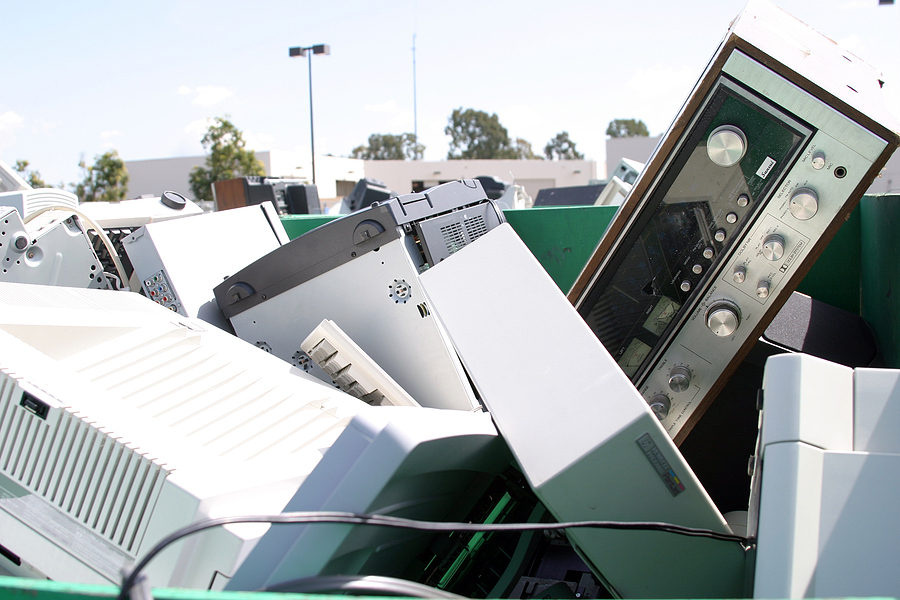
ITAD is a critical part of running an organization, as it has become non-negotiable for businesses that use IT devices. Enterprises are producing more electronic waste than ever before, making ITAD important for meeting sustainability and waste-reduction goals, which are now priorities for many organizations. When it comes to reducing electronic waste, this process is supported by ITAD, and we will look into how organizations can quantify their IT asset disposition activities to measure progress toward waste reduction goals.
Why is ITAD Important?
ITAD is a critical process for enterprises that use electronic devices and are trying to comply with e-waste regulations and data protection requirements. Enterprises are using a massive number of tech devices nowadays, including servers, laptops, networking devices, and storage hardware; now we are seeing the addition of artificial intelligence devices. These devices are typically used for between 3 and 5 years before they begin to have problems or need replacement.
Larger organizations can use thousands of devices annually, so that these devices will end up in the ITAD process. E-waste is becoming a recognized issue due to toxic materials left out, resource depletion, and energy use, making ITAD a non-negotiable for many organizations. These processes help keep e-waste to a minimum while establishing a process for clearing, disposing of, recycling, and reusing devices.
What Happens During the ITAD Process?
The IT asset disposition process comprises many steps and components that carry a technology device through its lifecycle. Here is a look at each step in ITAD and what happens during those steps, to get a better idea of how this process supports e-waste reduction:
Asset Recovery: The first step is to recover assets or devices from the organization, sort them by condition, and then determine whether they will be recycled, reused, or disposed of.
Data Destruction: This is one of the most important steps in this process. Data destruction will destroy any data left on these devices, preventing unauthorized personnel from accessing it. Because these devices are electronic, they store immense amounts of data, making them a liability in the event of a data breach. Data destruction ensures that this information is no longer recoverable.
Refurbishment: The next step is to determine which devices can be repaired and resold with their remaining market value. Doing this helps extend device lifetimes, reduce e-waste, and support sustainable practices.
Recycling: Devices that no longer have market value and can be resold will be recycled. They will be stripped down to their constituent materials, such as copper, aluminum, gold, and plastic, which will be recycled and used again in other devices or items.
Documentation: The very last step in the ITAD process is documentation, including sustainability reports and tracking of ITAD devices. This step is crucial for maintaining compliance and adherence to regulations, as well as for providing proof of proper IT disposal practices.
How ITAD Supports Enterprise Waste Reduction Goals
Understanding ITAD is the first step toward understanding how it reduces waste and supports enterprise waste-reduction goals. Still, we can now look at exactly how ITAD supports these goals. There are four main areas supported in waste reduction and IT asset disposition practices: waste diversion, carbon footprint, circular economy, and resource conversion.
Waste Diversion: Waste diversion is supported mainly by the recycling and reuse aspects of the ITAD process, which prevent devices from ending up in landfills. Overall, this helps reduce the IT department’s footprint.
Carbon Footprint: Reducing the carbon footprint is relevant when we consider extending the device’s life. Because more devices are recycled and reused, fewer need to be produced and disposed of, reducing emissions.
Circular Economy: Because the equipment is reused or recycled in many cases, this supports a circular economy, which leads to better sustainability Resource Conservation: IT devices are often made with high-quality, high-value metals and materials that can be reused in other devices or other areas. Refurbished devices help reduce the amount of rare-earth metals and energy required to recover new materials.
How to Quantify ITAD Impact for Enterprises
Being able to quantify the ITAD impact for your enterprise is key to understanding whether you are contributing to your waste-reduction goals. To quantify this impact, we need to examine key metrics that will help determine it.
Amount of Processed Assets: The total number of devices retired through your ITAD process. This will include every device that has ever passed through your process, regardless of its outcome.
Materials Recovered: The amount of recoverable materials obtained from devices sent through the ITAD process. It will showcase how many recycled materials were extracted and can now be used in other manufacturing processes.
Waste Diversion Rate: This is the percentage of devices that were reused or recycled rather than destroyed and disposed of in a landfill.
Refurbishments vs. Recycling: Although both processes prevent devices from ending up in landfills, it is important to track which devices go where. This will showcase the percentage of your devices that were refurbished or recycled.
Carbon Emissions Avoided: This will give you an estimate of the environmental benefits of your recycling and reuse practices.
The Broad Impact of ITAD in ESG and Sustainability Programs
ITAD is essential for its impact on enterprises, but also a broader contributor to corporate initiatives. ESG, or environmental, social, and governance, performance: enterprise tracking, performance reduction, and proper device disposal contribute to ESG reporting. ITAD reporting is vital to sustainability programs, ESG investors, and sustainability claims. Companies typically include these ITAD metrics in sustainability reports and environmental compliance documentation. Overall, ITAD is becoming an essential part of sustainability practices for businesses and corporations worldwide.
Implementing ITAD for Waste Reduction Goals
ITAD is a process that should be implemented in every corporation that uses electronic devices, which, in today’s time, is most of them. Waste reduction and sustainability have been a popular topic in recent years, making them top priorities for corporations worldwide, especially in the electronics sector. ITAD is here to properly and efficiently dispose of your electronic devices without compromising security or negatively impacting the environment. IT asset disposition allows you to reuse or recycle devices without them ending up in a landfill, and to wipe devices containing sensitive information securely. Work with an ITAD partner to develop a plan to meet your waste reduction goals.
